Step 1
Diagnostic walkthrough of leakage points
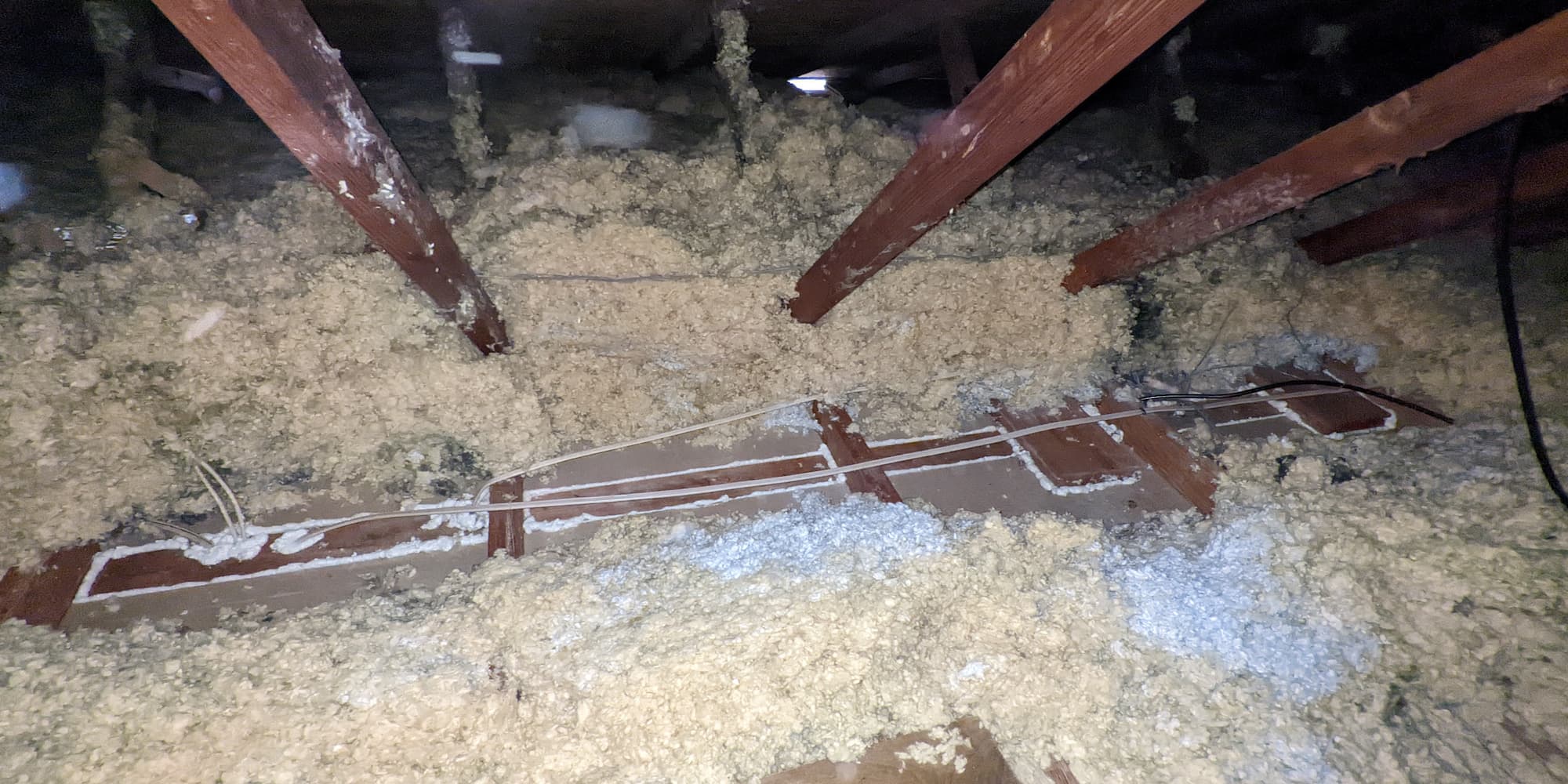
Seal hidden gaps and cracks so your insulation works properly and your home stays consistently comfortable.
High heating and cooling costs despite adequate insulation
Stops conditioned air from escaping, improving energy efficiency and lowering utility bills.
Dust, allergens, or attic odors entering the home
Blocks contaminated attic air from seeping inside, improving indoor air quality and comfort.
Drafts, cold floors, or rooms that never feel quite comfortable
Sealing leaks at the top, bottom, and edges of your home tames stack-effect drafts so temperatures feel more even from room to room.
Diagnostic walkthrough of leakage points
Seal major leakage paths at top plates, penetrations, chases, and other gaps in the building shell
Use fire-safe caulk and backer at fireplaces, flues, or heat-producing fixtures
Treat fixtures per UL/manufacturer guidance
We provide professional, code-compliant service across Southwest Washington and the greater Portland metro area, focusing on homes where the right insulation and air sealing can make a real difference in comfort and energy costs.
Industry-certified training means your home gets work that’s efficient, code-compliant, and built to last.
Our installations are guided by building science and finished with an eye for detail, ensuring long-term performance and durability.
Our upgrades aren’t just promises on paper — they deliver measurable reductions in energy use and noticeable savings on your utility bills.
Owner-operated and personally invested in every job, we stand behind our work from estimate to cleanup.
Tell us about your project and we’ll send a no-pressure quote.